1. What Arrives and How to Check It
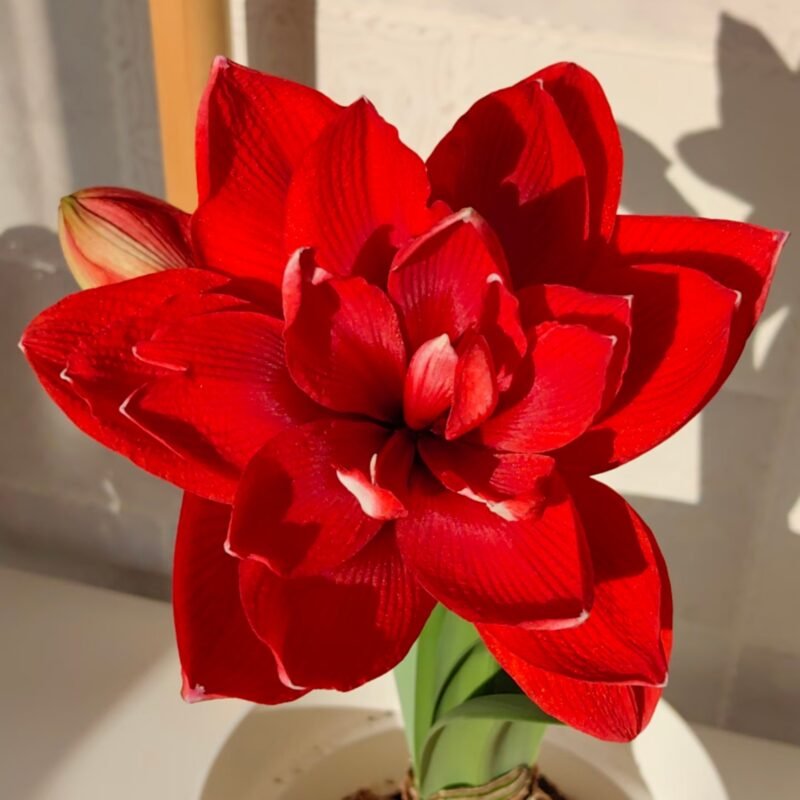
You receive a pack of dormant dahlia tubers, lifted at the end of the previous season and graded by hand. Each tuber is a swollen, finger-like storage root joined to a short piece of last year stem, and that join is where the growing eyes sit. A tuber without an eye will not sprout, so look at the crown of every piece before you plant. Firm, heavy tubers with tight skin are what you want. Small soft patches, a sour smell or mould on the crown mean the piece has started to rot and should be set aside rather than planted. These are the large flowered dinnerplate types, grown for head size rather than flower count: a single stem can carry a bloom the width of a dinner plate, and the petals are arranged in tight, regular rows right to the centre.
Open the pack as soon as it arrives instead of leaving it sealed in a warm room. If you cannot plant within a week, keep the tubers in a cool, dark, frost-free place in a paper bag or a shallow tray of barely damp compost, never in a sealed plastic bag where condensation collects. Check them once a fortnight and rub off any mould that appears. Tubers that have shrivelled slightly in storage plump up again once they are in soil.
2. When and How to Plant
Dahlias are tender perennials. They need warm soil, so plant outdoors only after the last frost has passed and the ground has lost its chill, which in most temperate gardens means late spring. If you want to start earlier, pot the tubers indoors in a bright frost-free spot four to six weeks before the expected last frost and move the plants out once nights stay above freezing.
Choose a position in full sun, with at least six hours of direct light a day, and soil that drains freely. Dahlias rot in waterlogged ground, so on heavy clay dig in grit or plant on a slight mound. Set the tuber horizontally with the crown, the old stem stub and the eyes, facing upward, and cover it with about five centimetres of soil. Space plants forty-five to sixty centimetres apart for compact varieties and up to ninety centimetres for tall dinnerplate types, because good airflow between plants is the best defence against mildew. Water once after planting and then wait: too much water before shoots appear is the most common way to lose a tuber. Give dinnerplate varieties the most sheltered spot you have, ideally against a warm wall, because a heavy head on a tall stem is easily broken by wind and rain; plant them at the back of a border where the height reads as a backdrop rather than blocking the view.
3. Watering, Feeding and Support
Once shoots are ten to fifteen centimetres tall, water deeply whenever the top few centimetres of soil feel dry, aiming at the base rather than the foliage. Dahlias grow fast and drink heavily in midsummer, but they still prefer a thorough soak twice a week to a light daily sprinkle. A mulch of garden compost or straw keeps moisture steady and stops the soil surface from baking.
Feed every three to four weeks from the moment growth starts, using a balanced fertiliser early in the season and switching to a low-nitrogen, high-potash feed once buds appear. Too much nitrogen gives you a wall of leaves and very few flowers. Tall varieties need a stake from the beginning: push a sturdy cane in beside the tuber at planting time so you do not spear the roots later, and tie the stems in as they rise. Pinching out the growing tip when the plant has three or four pairs of leaves gives a bushier plant with more flowering stems, at the cost of flowering a little later. Stake each plant individually with a cane as tall as the mature stem and tie in at two points, and consider disbudding the side shoots on the strongest plants if you want the largest possible single heads rather than a cluster of smaller ones.
4. Bloom Form and Season
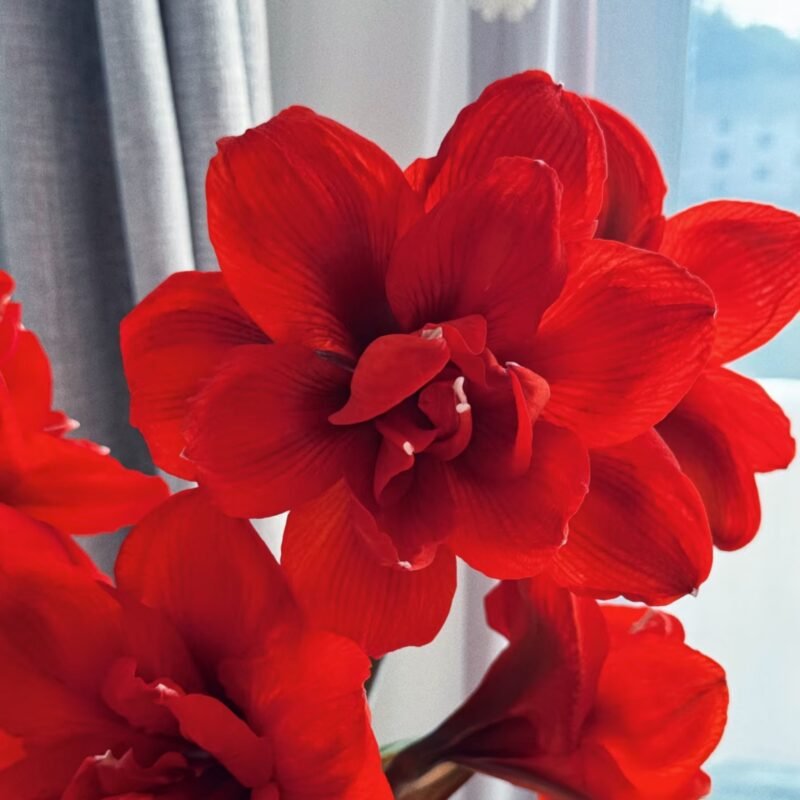
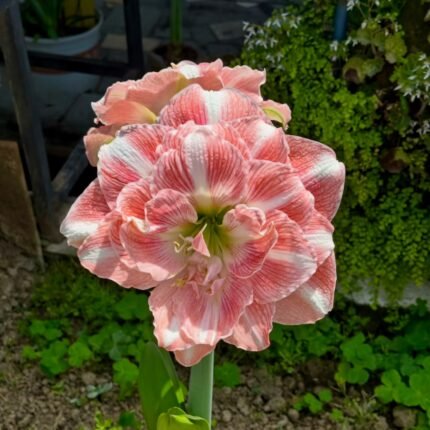
Dahlias flower from midsummer until the first hard frost, and the more you cut, the more they produce. The bloom form depends on the group: decorative types carry fully double heads with broad, regularly arranged petals and no visible centre, waterlily types have a flat, open face with petals that reflex slightly at the tips, and single flowered types show a clear disc at the heart of the flower that pollinators can reach. Heads range from small, neat pompons to dinnerplate blooms twenty centimetres across.
Cut stems in the cool of the morning, choosing blooms that are just opening rather than fully flat, and plunge the stem ends into deep water immediately. Strip the lower leaves so no foliage sits below the waterline, and change the vase water every second day. A cut dahlia stem lasts five to seven days indoors and the plants keep producing new stems for weeks afterwards, so regular cutting is both harvest and pruning. Dinnerplate heads are heavy enough to nod after rain, so cut them for the house as soon as they are half open and support the stem with two hands while carrying it; in the border, a bloom that has filled out fully is best left uncut as a display.
5. After Flowering, Lifting and Dividing
Leave the plants in the ground until the first frost blackens the foliage, because the tubers keep swelling and ripening while the leaves are still working. Then cut the stems back to about fifteen centimetres, lift the clump carefully with a fork, and shake off the soil without washing it away, since a dry skin stores far better than a wet one. Turn the clump upside down for a few days in a dry, airy, frost-free place so that moisture drains out of the hollow stems, then store the tubers in a crate of dry compost, sand or newspaper in a cool dark room, ideally between five and ten degrees Celsius.
In mild gardens with free-draining soil you can leave the tubers in the ground under a thick mulch, but a wet winter is far more damaging than a cold one. Check stored tubers once a month and remove any that have gone soft. Divide clumps in early spring, just before replanting, keeping at least one strong eye and a piece of stem with each division. Slugs and snails are the main pest on new shoots, and mildew appears when plants are crowded or dry at the roots, so spacing and steady watering solve most problems before they start. Large flowered types put a lot of energy into the head, so their tubers are correspondingly big and need a little more room in store; lay them in a single layer rather than piling them, and check them more often for soft patches.











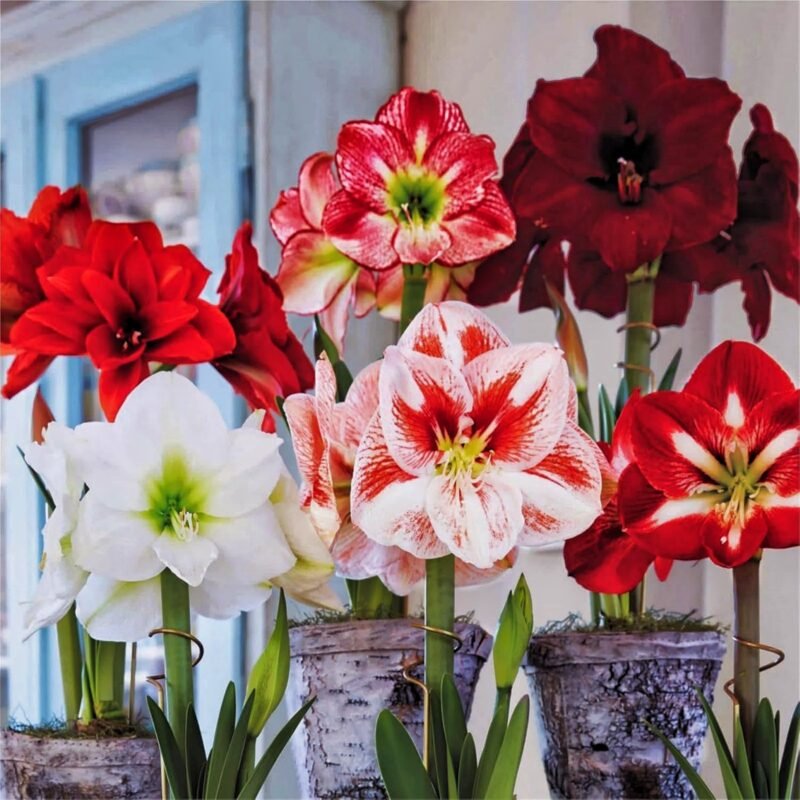

 Multicolor
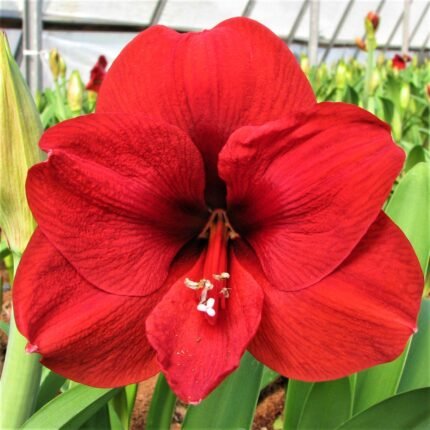 Red
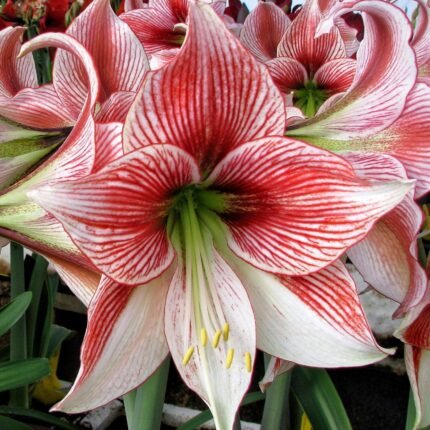 pink
 Red
 White
 pink

