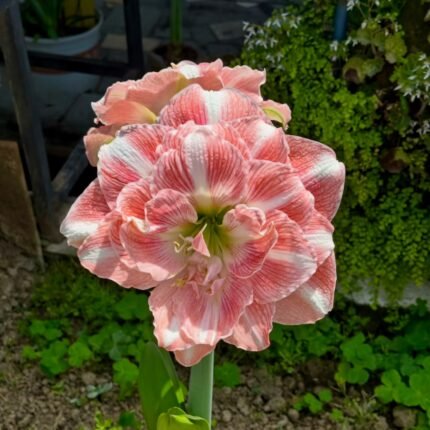
Ranunculus Corms Picotee Ruffled Double Blooms, Cool Season Flowering Corms for Cutting Garden Borders, Patio Containers and Vase Arrangements
10.50$ – 31.50$Price range: 10.50$ through 31.50$
1. What Arrives in Your Parcel Your order contains firm, dormant ranunculus corms packed in breathable material. Each pack is graded by corm circumference, and the number shown in the drop-down refers to the count of corms inside …
You’re now subscribed to price tracking for this product. We’ll notify you if the price drops.
30-day money-back guarantee
Not happy with your order? Full refund within 30 days, no need to send anything back.
Ships within 3–5 days
Bulbs and live plants are packed by hand and dispatched in season.
Checked by our growers
Every order is inspected before it leaves us, so it arrives in good condition.
1. What Arrives in Your Parcel
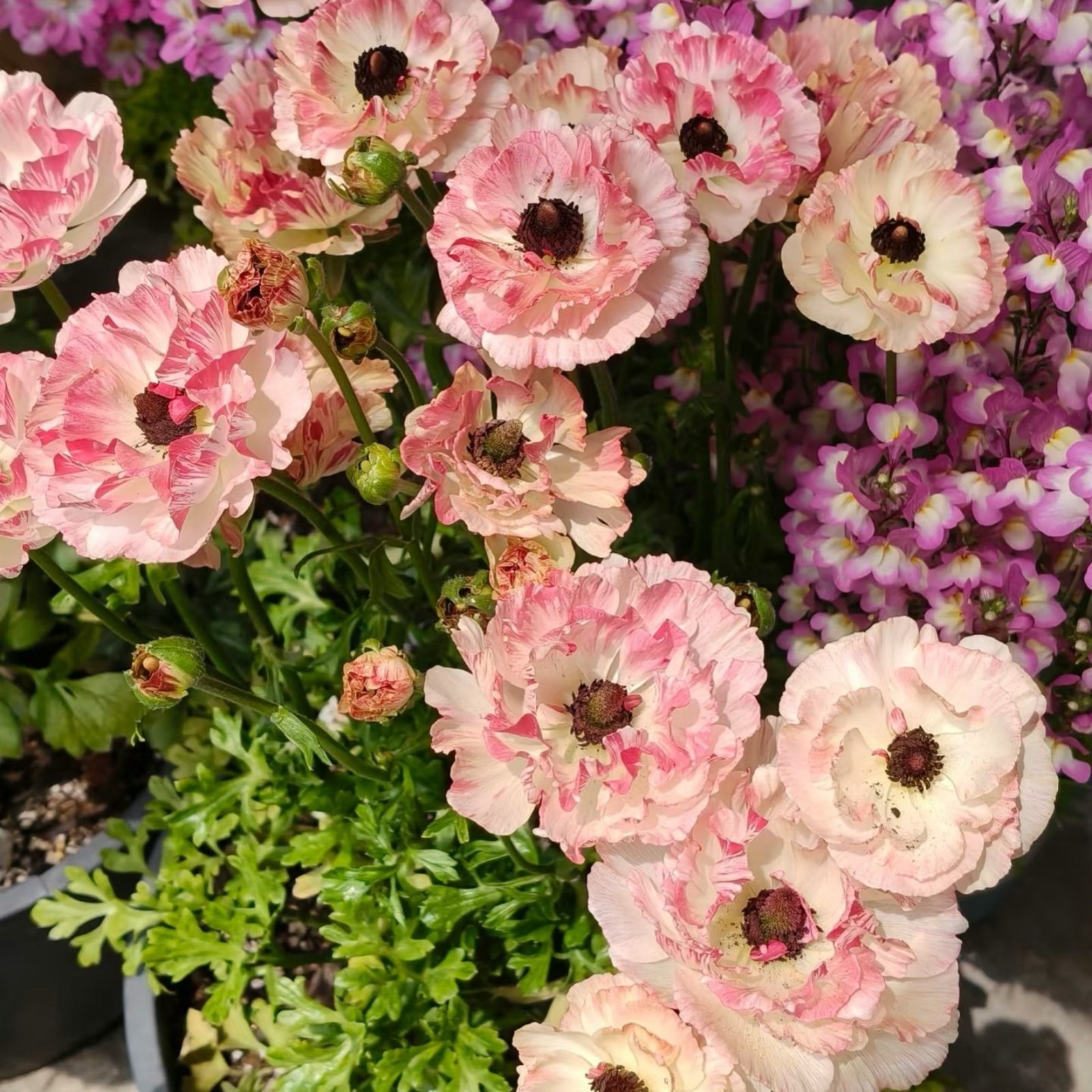
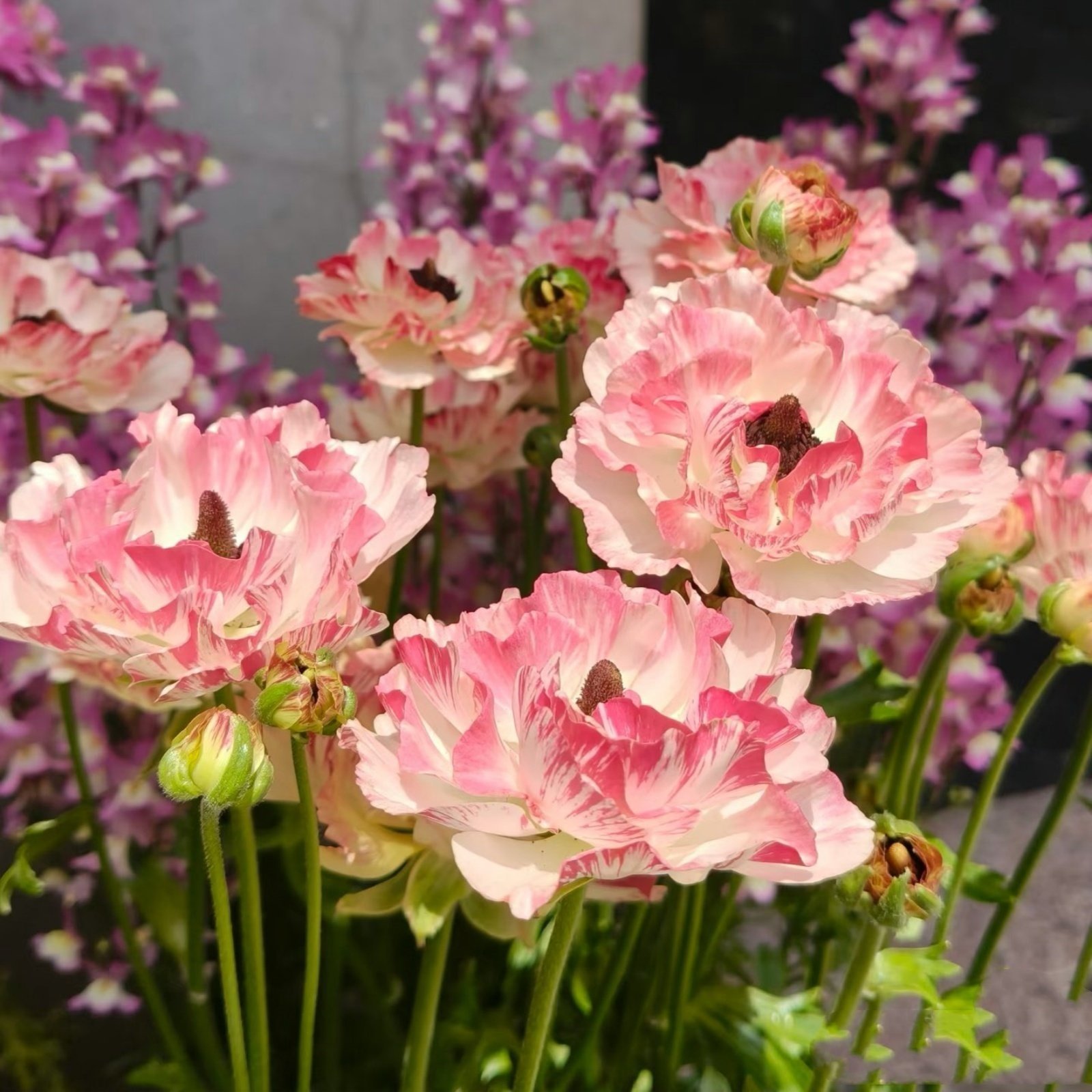
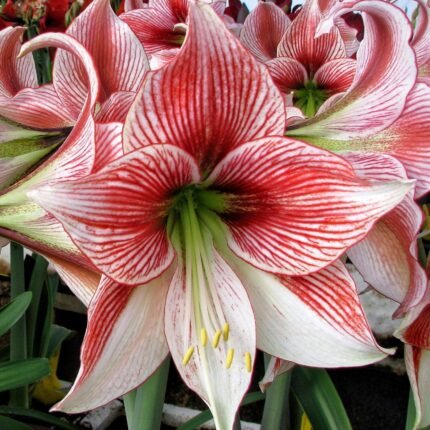
Your order contains firm, dormant ranunculus corms packed in breathable material. Each pack is graded by corm circumference, and the number shown in the drop-down refers to the count of corms inside the pack, not the number of flowering stems you will eventually see, because a single healthy corm can push several stems from its crown. Unpack on arrival and check the corms: healthy pieces are plump, hard and heavy for their size, with a small claw-shaped crown at the top and a smooth, unbroken skin. Reject and photograph any corm that feels soft, smells sour or shows mould, and report it within 48 hours so a replacement can be arranged. Until you are ready to plant, keep the corms in a cool, dark, airy place in paper or mesh, never sealed in plastic. This strain is the ruffled picotee type, prized for petals that carry a fine, darker line along the edge, so the flower reads as a crisp outline rather than a flat block of one tone.
2. When and How to Plant
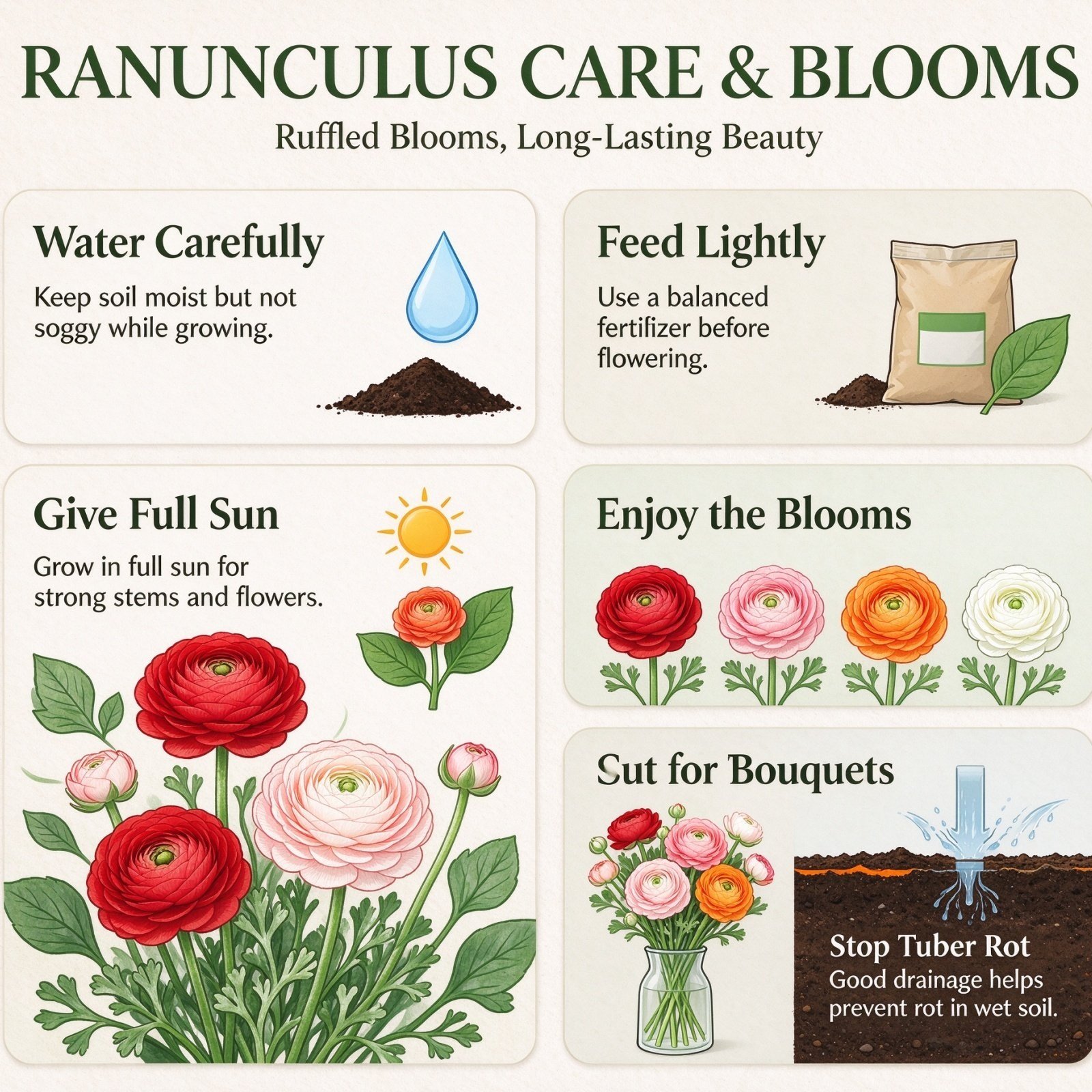
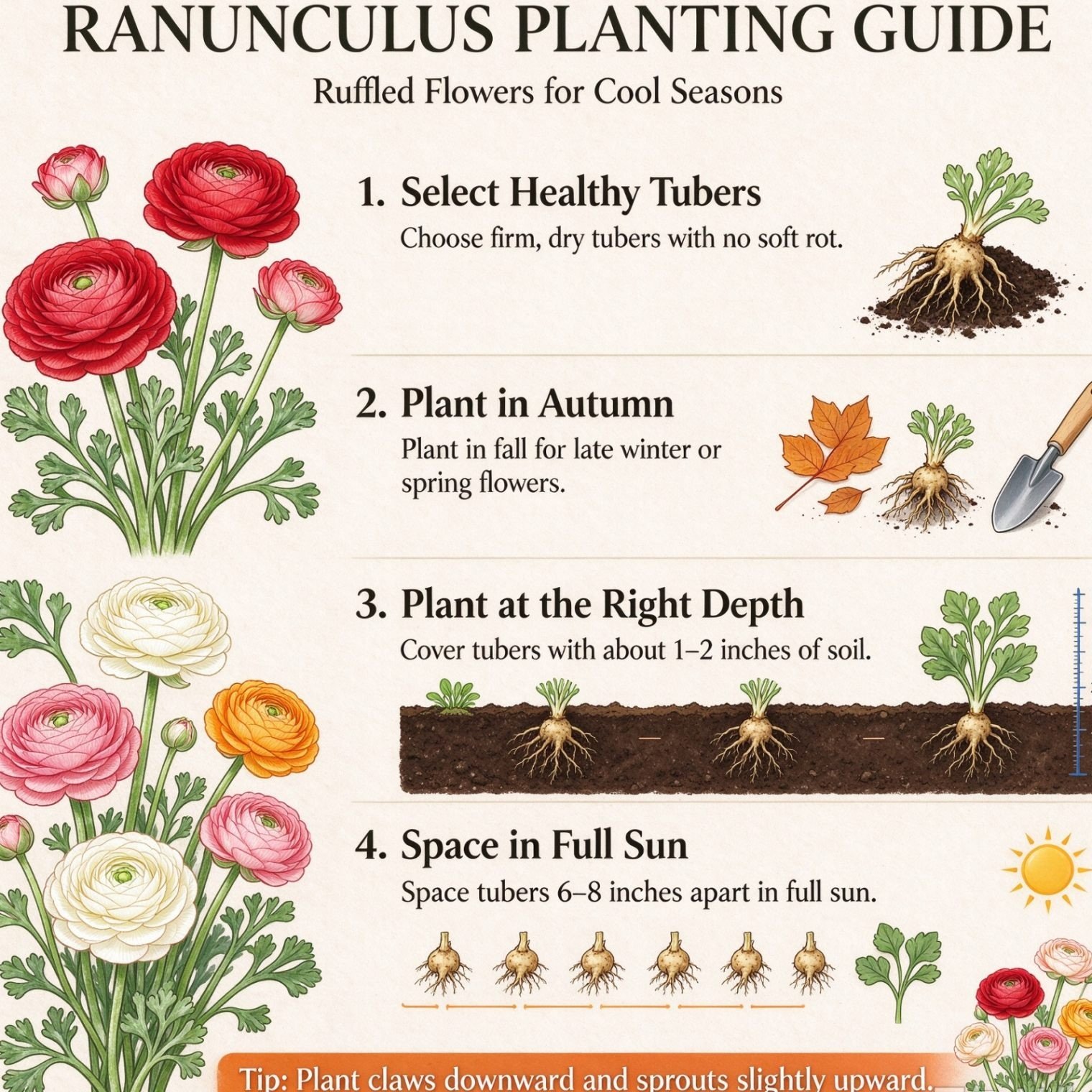
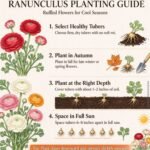
Ranunculus is a cool-season crop and grows best while days are short and nights are chilly. In mild climates plant in autumn so the roots settle before winter and the plants bloom from late winter into spring. In colder regions plant in early spring once the soil can be worked, or start the corms in pots under cover and move them out after the last frost. Choose a spot in full sun, with at least six hours of direct light, and soil that drains freely; ranunculus sulks in boggy ground and rots quickly if water stands around the crown. Loosen the top 20 cm (8 in) of soil, mix in compost and a handful of grit if your soil is heavy, then set each corm with the claw pointing downwards, 5 cm (2 in) deep and 10 to 12 cm (4 to 5 in) apart. Water once after planting and then leave the bed alone until growth appears. If you garden in pots, use a free-draining compost mix and make sure the container has open drainage holes; a 5 litre pot comfortably holds three corms.
3. Watering, Feeding and Everyday Care
Keep the soil evenly moist but never waterlogged while the plants establish. Once foliage is growing strongly, water when the surface begins to dry, giving a thorough soak rather than a light sprinkle, and always water the soil rather than the leaves to reduce the risk of mildew. Feed every two to three weeks with a balanced liquid fertiliser once buds begin to form, and switch to a feed higher in potassium as the first flowers open to strengthen stems and lengthen the flowering window. A light mulch of compost keeps moisture steady and suppresses weeds, but keep it clear of the crowns. Tall stems benefit from a few twiggy supports or a low net, especially in windy sites. Watch for slugs on new shoots and for aphids in the growing tips; both are easy to manage with a torch-lit evening check and a gentle jet of water. Pinch out the first weak shoots if you want fewer but stronger stems, and remove any foliage that yellows at the base so air keeps moving through the clump.
4. Blooms, Stems and Cutting
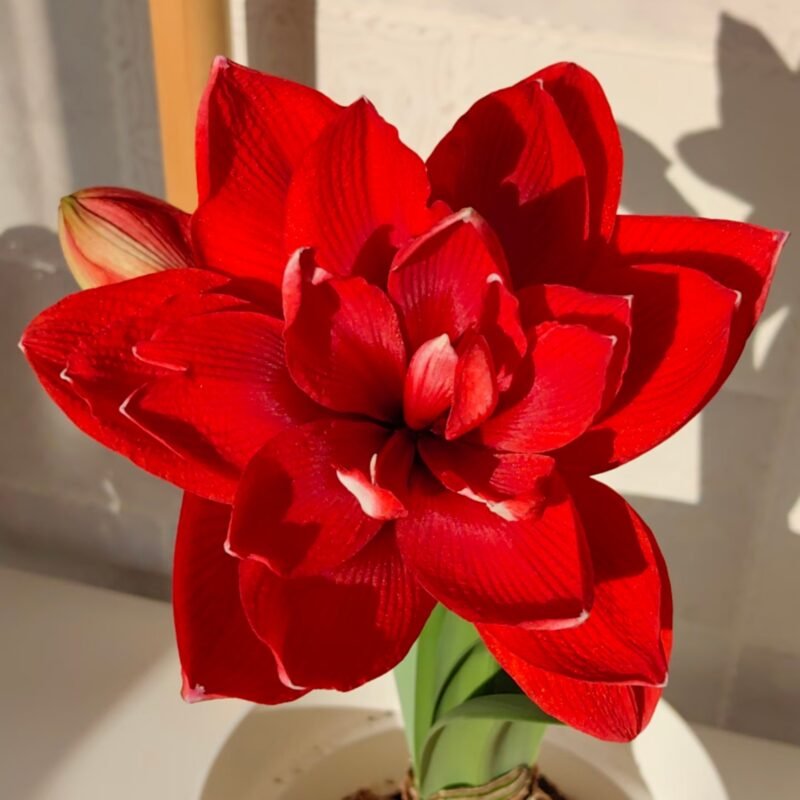
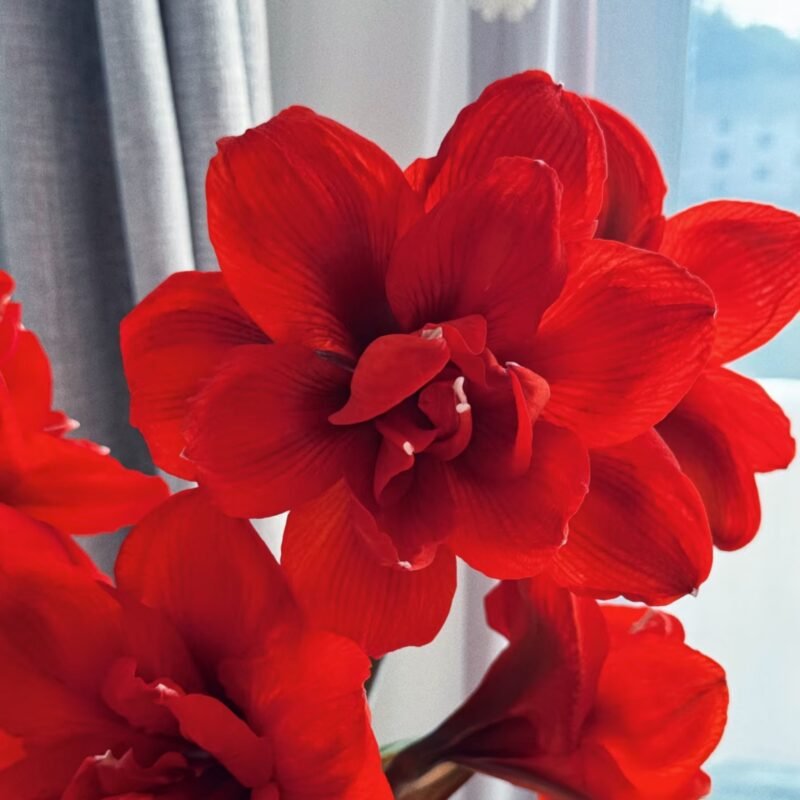
The plants build a rosette of finely divided foliage before the buds rise on straight stems. Each bloom opens as a tight spiral of thin, overlapping petals and keeps unfolding over several days into a full, many-layered disc with a neat button of stamens at the centre. On this picotee selection the petal edges are lightly frilled and outlined, which gives every bloom a delicate, hand-drawn finish. The flowering season runs for six to eight weeks in cool weather, slowing sharply once real heat arrives. Cut stems in the early morning when the buds are just beginning to open and the colour is fully formed; strip the lower leaves, plunge the stems into deep, clean water for a few hours and they will hold in a vase for a week or more. Cutting regularly encourages more buds, so treat the patch as a picking garden rather than leaving every flower to fade on the plant. For market bunches, cut when the outer ring of petals has lifted but the centre is still tight, then grade stems by length for a tidy bucket.
5. After Flowering: Lifting, Dividing and Storage
Deadhead spent blooms to stop the plants putting energy into seed, but leave the foliage in place until it yellows naturally, because the leaves are feeding the corms for next season. In mild, dry-summer climates the corms can stay in the ground over summer as long as the bed is kept completely dry while they are dormant. Where summers are wet, lift the corms once the foliage has died back, shake off the soil, dry them in a shaded, airy place for a week and then store them in paper bags or trays of dry sand at around 10 to 15 C until the next planting. Large corms can be divided at lifting time by gently pulling the claw-like segments apart, and each piece with a growing point will make a new plant. Replant in autumn as described above, and the clump will build year after year. Mark the spot with a label, because the dormant bed looks empty and it is easy to dig into the corms by mistake.
| Number of Products | 10roots, 15roots, 1roots, 20roots, 25roots, 2roots, 3roots, 4roots, 5roots |
|---|
Reviews
Customer Reviews
Only customers who purchased this product can leave a review. Please log in with the purchase account, or ask a product question below.
Ask a question
Questions & Answers
Customers Also Like
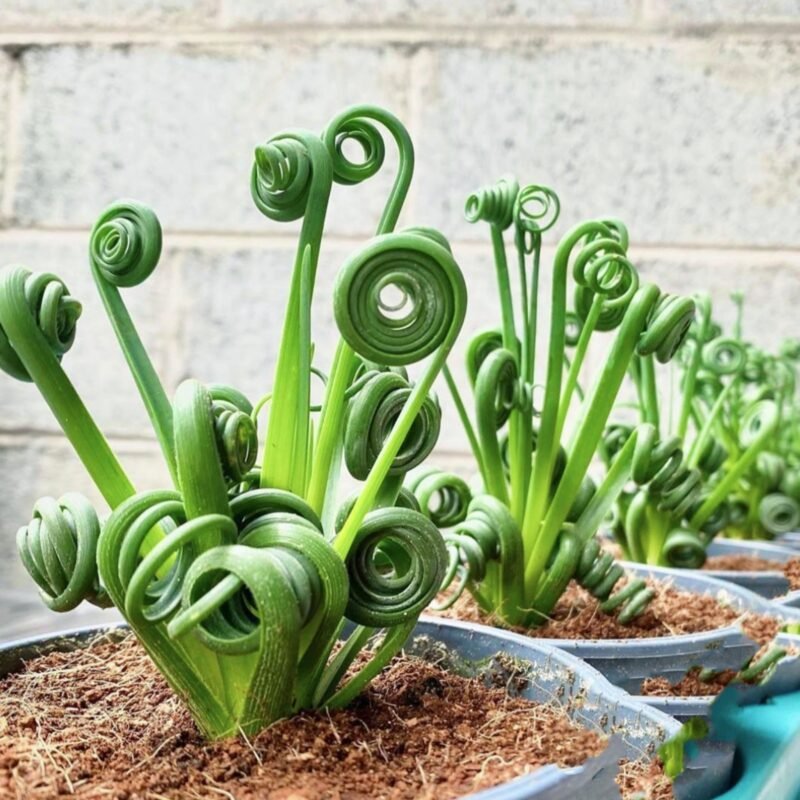
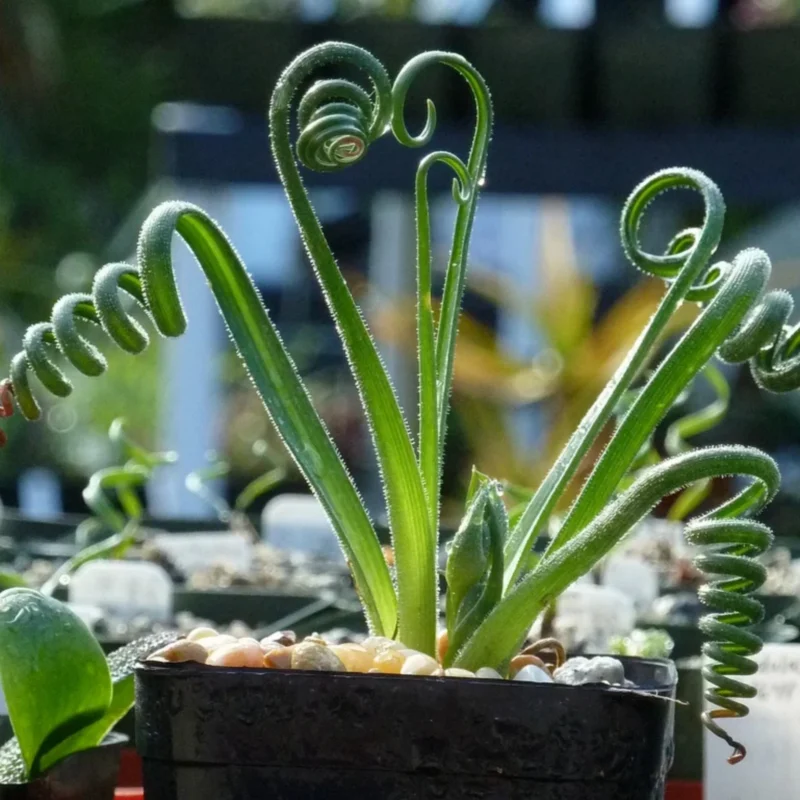
Albuca Spiralis Bulbs, Frizzle Sizzle Spiral Grass Bulbs, Rare Succulent Bulbs for Indoor Windowsill, Container Garden
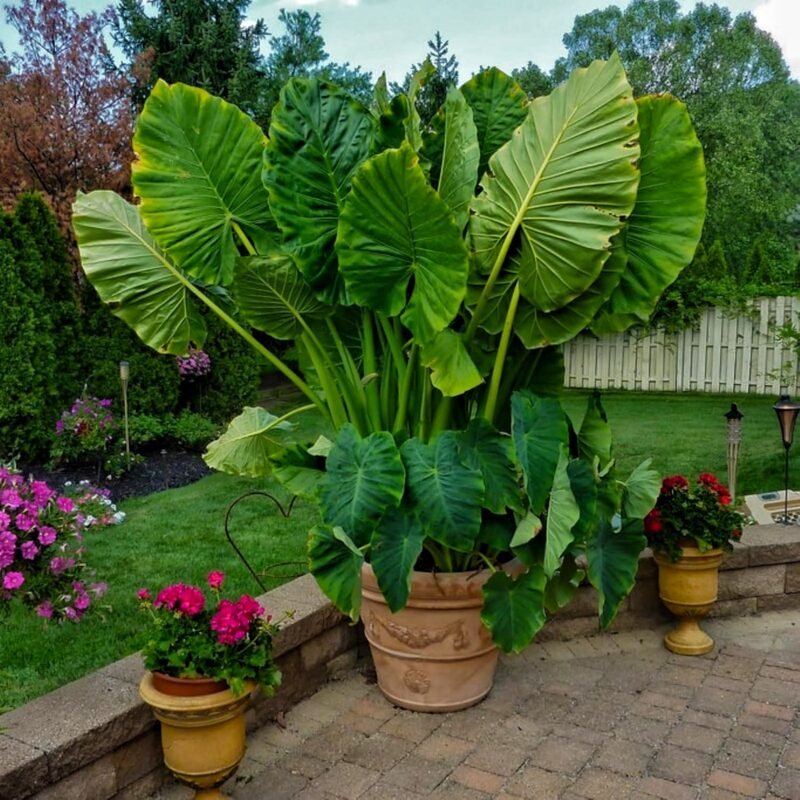
Alocasia Macrorrhiza Elephant Ear Plant Bulbs, Giant Tropical Foliage for Home & Garden Decor, Easy to Grow Ornamental Plant for Indoor Outdoor Planting
Multicolor
Red
pink
Amaryllis Bulbs, Hippeastrum Flower Bulbs for Planting, Mix Color Single & Double Blooms, Perennial Indoor Outdoor Garden Flowers, Large Bloom Amaryllis for Home Decor, Holiday Gift
Red
White
pink
Amaryllis Bulbs, Large Flowering Hippeastrum Bulbs, Mixed Colors Single and Double Amaryllis, Perennial Indoor Outdoor Flower Bulbs, Big Blooms for Garden, Patio, Windowsill, Holiday Decoration and Gift
Amaryllis Bulbs, Premium Mixed Large Flower Bulbs, Perennial Ornamental Bulbs for Indoor Potted Planting, Patio and Garden Border Decoration
Recently Viewed
Title text example
标题后的文本示例