1. What You Receive and How to Start
You will receive dormant, flowering-size Hyacinthus orientalis bulbs, not potted plants or cut flowers. Unpack them as soon as the parcel arrives so they are not left sealed in a warm box. Each bulb should feel firm and heavy for its size, with dry papery outer tunics and no soft, sour-smelling spots or mould. Loose outer skin and a few dry roots at the basal plate are completely normal. Handle bulbs with gloves if you have sensitive skin, since the dry tunic can cause mild itching, and keep them away from children and pets because hyacinth bulbs are not edible.
If you cannot plant straight away, store the bulbs in a cool, dry, airy place around 10-15°C (50-59°F), in a paper bag or open tray rather than sealed plastic. Keep them out of direct sun and away from ripening fruit, which gives off ethylene and can damage the developing flower inside the bulb. Do not refrigerate them alongside apples or bananas, and never let them sit in wet compost before planting.
Choose your planting spot or container before you begin. For mass drifts, mixed containers and forcing glasses, planting in repeated drifts of five to seven bulbs rather than single scattered specimens gives the best effect. If you are growing several bulbs in one pot, use a container at least 20-25 cm (8-10 in) wide with generous drainage holes.
2. When and How to Plant
Plant in autumn, once soil temperatures have dropped to roughly 10°C (50°F) but at least two to four weeks before the ground freezes — in most temperate gardens this means October to November, and a little later in mild climates. Planting too early in warm soil encourages soft top growth before winter; planting too late limits root establishment. This chilling period is essential: without roughly 10-12 weeks of cool conditions the flower spike may stay short and blind.
Set each bulb pointed end up at a depth of about 10-15 cm (4-6 in) to the base of the bulb, or roughly two to three times its own height, and space bulbs 8-15 cm (3-6 in) apart. In heavy clay, plant slightly shallower and work in coarse sand or compost to improve drainage; in sandy soil, plant a little deeper. Water thoroughly once after planting to settle the soil, then hold off until new growth appears. For containers, place the bulbs close but not touching, with the tips just level with or slightly above the compost surface, and keep the pot cool and dark for the first weeks while roots form.
For indoor forcing in water or a bulb vase, use a container that supports the bulb above the water with only the basal plate touching it. Give the planted bulbs 8-10 weeks of cold, dark conditions around 5-9°C (41-48°F), then move them into a bright, cool room once shoots are 3-5 cm tall. Keep the water level topped up and rotate the vase every few days so the spike grows straight.
3. Light, Soil, Water and Feeding
Hyacinths flower best in full sun to light afternoon shade. A site with morning sun and shelter from strong midday heat keeps the single florets in good condition for longer, while deep shade produces loose, floppy stems and weaker flower spikes. The ideal soil is a free-draining, humus-rich loam with a pH near 6.0-7.0. Standing winter wet is the single most common cause of bulb rot, so raised beds, slopes and gritty potting mixes are safer than low, compacted ground.
During active growth, keep the soil evenly moist but never soggy: water when the top few centimetres feel dry, and always let pots drain freely rather than standing in a saucer. Once the leaves emerge in spring, apply a balanced slow-release bulb fertiliser or a dilute liquid feed every two to three weeks until the buds show colour. Avoid high-nitrogen lawn feed, which pushes soft leaves at the expense of flowers. A light top-dressing of compost each autumn helps maintain structure and fertility for repeat flowering.
In pots, use a good-quality multipurpose compost with a handful of grit or perlite mixed through, and protect containers from hard freezes by moving them against a wall or into an unheated garage. Outdoors, a loose mulch of leaf mould applied after planting moderates temperature swings and reduces competition from weeds without trapping excess moisture against the bulb neck.
4. Flower Shape, Fragrance and Bloom Time
Expect blooms in mid-spring, generally March to April depending on your region and planting date, with each spike lasting around two to three weeks in cool weather. Each bulb sends up one sturdy stem carrying open, six-pointed star florets spaced evenly along a slender, tapered spike. The spike opens from the bottom upwards, so the display develops gradually and stays attractive even as the first florets fade. Mature plants usually reach 20-30 cm (8-12 in) tall, with two or three strap-shaped, channelled leaves at the base.
Fragrance is the reason most gardeners grow hyacinths: this type carries a lighter, honeyed scent that is pleasant even in a small room. A few stems near an entrance, window or seating area are enough to scent the whole space outdoors, while a single spike in a small vase perfumes a room indoors. As cut flowers, cut the stem early in the morning with a clean diagonal cut, strip any foliage below the water line, and change the water every two days; the upper buds will continue to open in the vase.
Single types are the most reliable for forcing in water, because the lighter spike is less likely to topple as it grows. Cool, cloudy weather lengthens the flowering period considerably, so avoid placing forced pots next to a radiator or in hot direct sun once the buds have coloured. After the petals drop, the plant shifts its energy back into the bulb rather than seed, which is why the next section matters more than any deadheading detail.
5. After Flowering, Dormancy and Next Year
When the last florets fade, snip off only the spent flower spike and leave every leaf in place. The foliage must keep photosynthesising for six to eight weeks to rebuild the bulb for the following year; cutting it back early, tying it in knots, or removing it while still green is the main reason hyacinths fail to return. Once the leaves yellow and collapse naturally, they can be pulled away cleanly with a gentle twist.
Gradually stop watering as the foliage dies down so the bulb can rest dry through its summer dormancy. In well-drained garden soil the bulbs can simply be left in place over winter in roughly zones 4-8; in cold wet climates or heavy soil, lift them after the leaves die, brush off the soil, and store dry and airy at around 20-23°C (68-73°F) until autumn replanting. Small offset bulbils can be separated at lifting time, but they generally need two to three seasons of growing on before they reach flowering size.
Hyacinths are hardy perennials, but the first spring after planting is usually the most spectacular: in later years the spike often becomes slightly looser with fewer florets. That is normal behaviour rather than a disease. Many gardeners therefore plant a few fresh bulbs each autumn to keep the display full, and treat older clumps as a bonus. Watch for grey mould in humid, still air and for aphids on soft new growth; good spacing, airflow and avoiding overhead watering prevent most problems. If a spike emerges blind or stunted, the usual cause is insufficient winter chilling or bulbs stored too warm before planting.











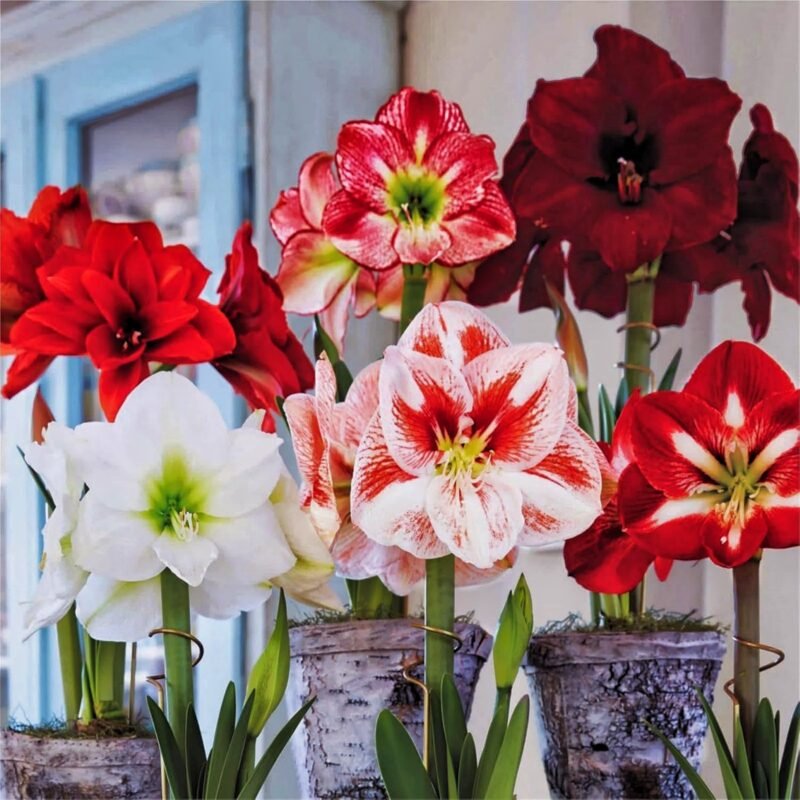

 Multicolor
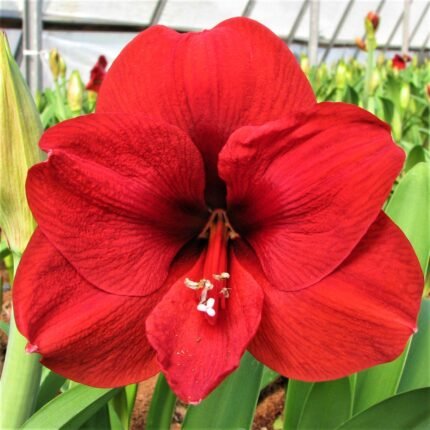 Red
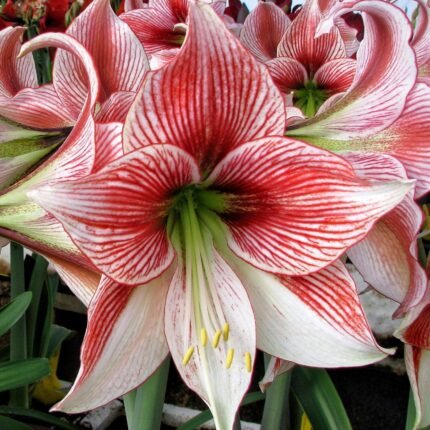 pink
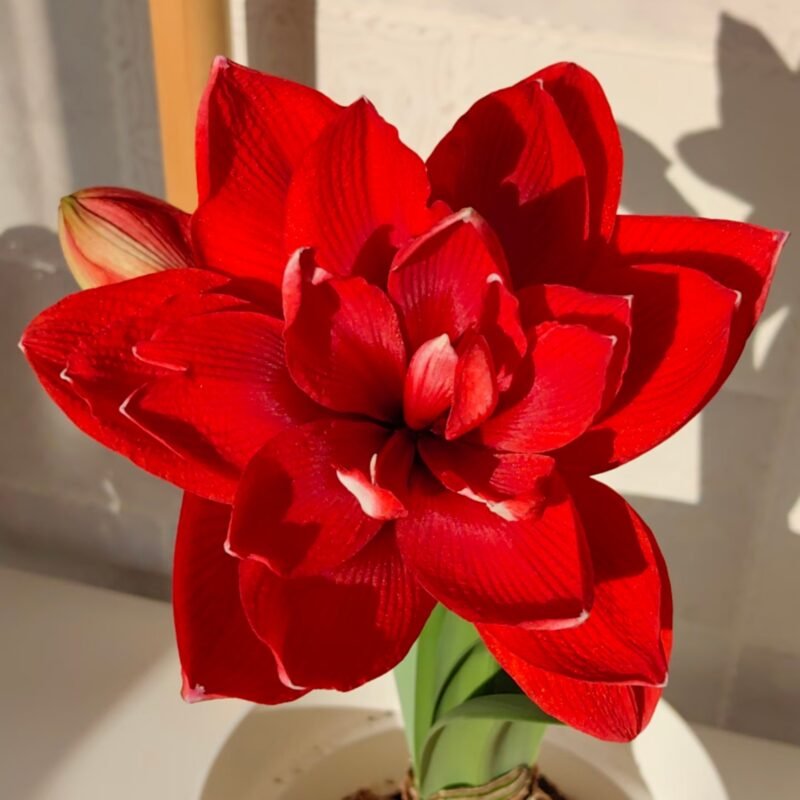
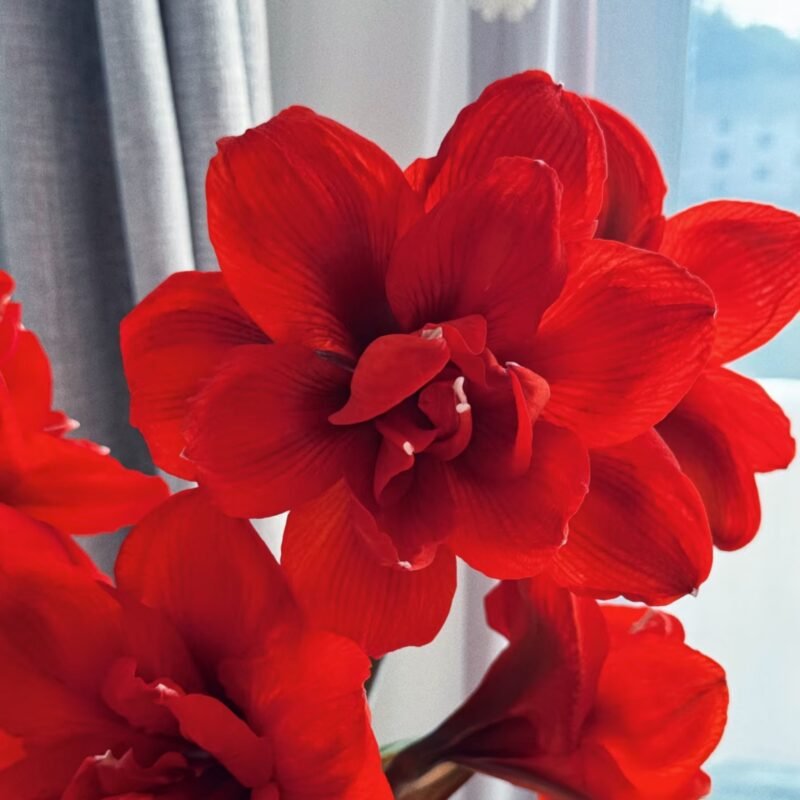
 Red
 White
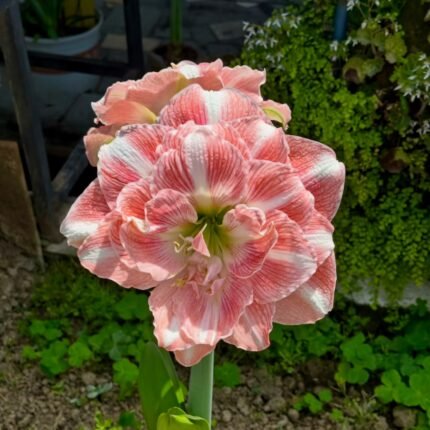 pink

